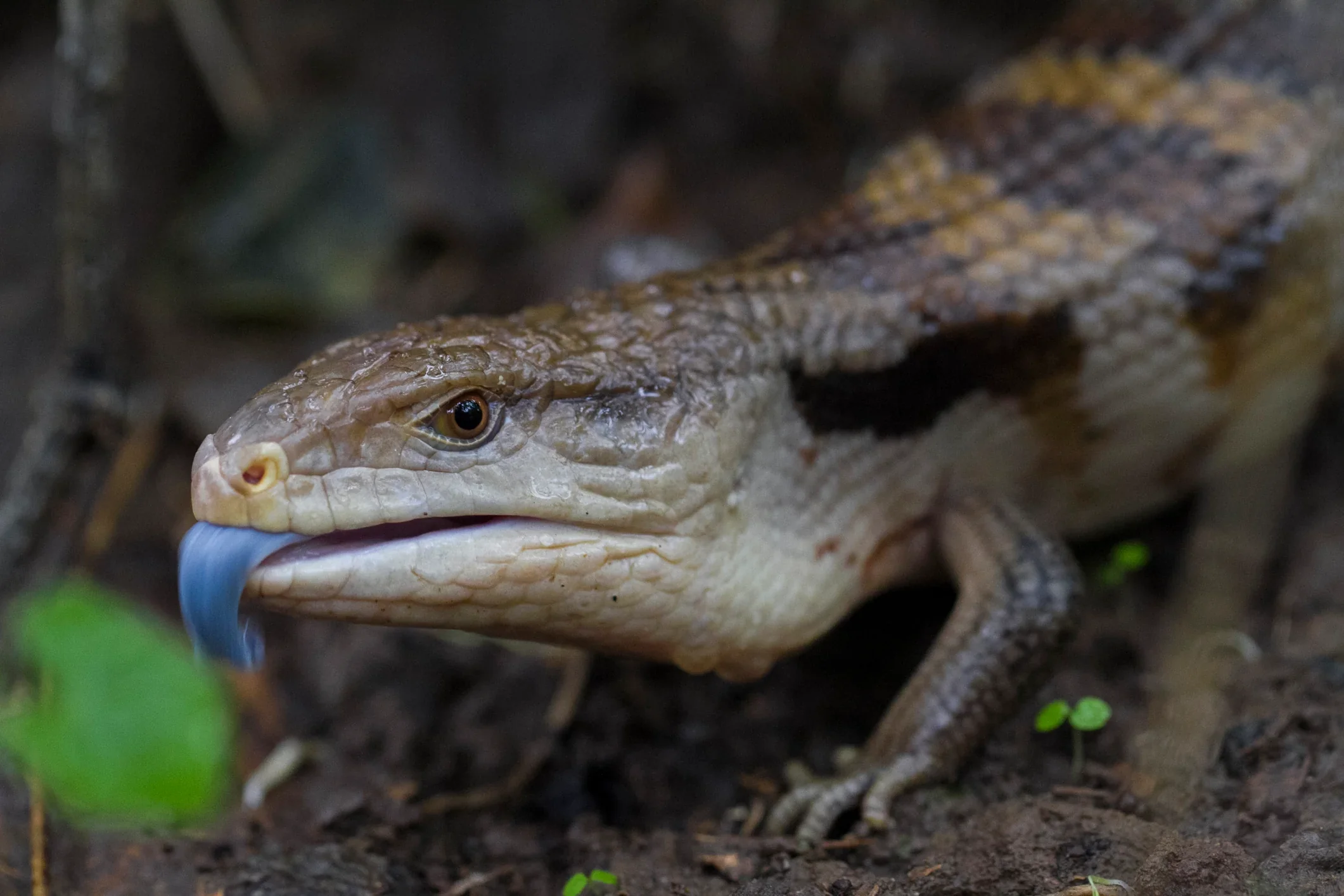
Northern Blue Tongue Skink
Northern Blue Tongue Skink (Tiliqua scincoides intermedia) Care Sheet
Quick Facts
| Attribute | Details |
|---|---|
| Common Name | Northern Blue Tongue Skink |
| Scientific Name | Tiliqua scincoides intermedia |
| Origin | Northern Australia |
| Adult Size | 45–60 cm |
| Lifespan | 15–20 years in captivity |
| Activity | Diurnal, ground-dwelling omnivore |
Behavior
-
Generally docile and easy to handle.
-
Ground-dwelling; spends time hiding under logs or leaf litter.
-
Diurnal; active during the day.
-
May display blue tongue when threatened as a defense mechanism.
Enclosure Requirements
-
Tank Size: Minimum 120 liters for a single adult; larger preferred
-
Substrate: 5–10 cm of aspen shavings, coconut fiber, or soil mix; allows digging
-
Decor: Hides, rocks, logs, and branches for enrichment
-
Humidity: 40–60%
-
Temperature:
-
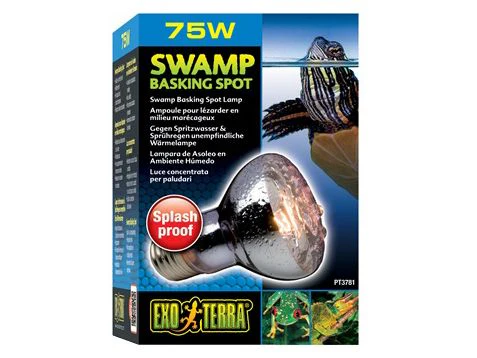
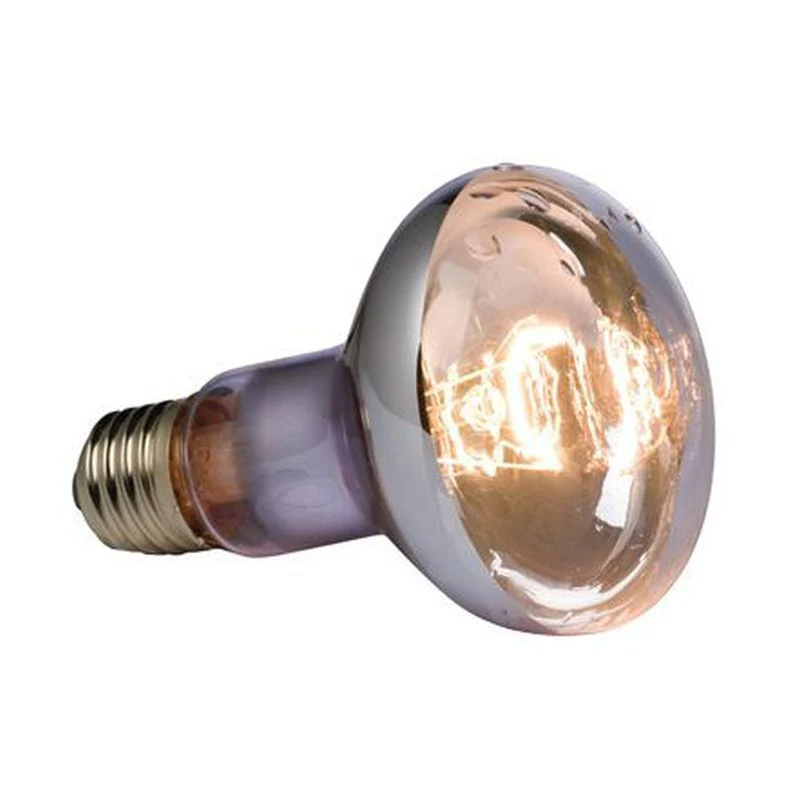
Basking spot: 32–35°C
-
Ambient: 24–28°C
-
Night: 20–24°C
-
-
Lighting: 10–12 hours of full-spectrum light; UVB recommended
-
Ventilation: Moderate airflow
Compatibility
-
Can be housed singly or in pairs if space allows; generally non-aggressive.
-
Avoid housing with aggressive or much smaller species.
Diet
-
Omnivorous; feeds on a variety of foods:
-
Insects: crickets, mealworms, roaches
-
Vegetables: leafy greens, squash, carrots
-
Fruits: berries, mango, apple (small amounts)
-
-
Juveniles: feed daily; adults: 4–5× per week
-
Provide fresh water daily
Care Tips
-
Offer hiding spots to reduce stress.
-
Maintain proper basking temperature for digestion.
-
Spot-clean daily; replace substrate periodically.
-
Monitor for signs of shedding issues or obesity.
-
Provide calcium and vitamin supplementation weekly.
Breeding
-
Ovoviviparous; females give live birth to 5–15 young.
-
Juveniles are independent at birth and require appropriately sized food.
-
Breeding generally requires stable temperatures and a healthy diet.
Visual Quick Guide
-
🏠 Enclosure: ≥120 L, hides, substrate for digging
-
🌡️ Temp: Basking 32–35°C / Ambient 24–28°C / Night 20–24°C
-
💧 Humidity: 40–60%
-
🍴 Diet: Omnivorous (insects, vegetables, fruit)
-
🕒 Activity: Diurnal, ground-dwelling
-
⚠️ Stress: Provide hides; handle gently and regularly to maintain docility
Please note: We don't ship live animals. You can order online and choose click and collect, and we will hold it for you.
Product Information
Product Information
Shipping & Returns
Shipping & Returns
Description
Northern Blue Tongue Skink (Tiliqua scincoides intermedia) Care Sheet
Quick Facts
| Attribute | Details |
|---|---|
| Common Name | Northern Blue Tongue Skink |
| Scientific Name | Tiliqua scincoides intermedia |
| Origin | Northern Australia |
| Adult Size | 45–60 cm |
| Lifespan | 15–20 years in captivity |
| Activity | Diurnal, ground-dwelling omnivore |
Behavior
-
Generally docile and easy to handle.
-
Ground-dwelling; spends time hiding under logs or leaf litter.
-
Diurnal; active during the day.
-
May display blue tongue when threatened as a defense mechanism.
Enclosure Requirements
-
Tank Size: Minimum 120 liters for a single adult; larger preferred
-
Substrate: 5–10 cm of aspen shavings, coconut fiber, or soil mix; allows digging
-
Decor: Hides, rocks, logs, and branches for enrichment
-
Humidity: 40–60%
-
Temperature:
-
Basking spot: 32–35°C
-
Ambient: 24–28°C
-
Night: 20–24°C
-
-
Lighting: 10–12 hours of full-spectrum light; UVB recommended
-
Ventilation: Moderate airflow
Compatibility
-
Can be housed singly or in pairs if space allows; generally non-aggressive.
-
Avoid housing with aggressive or much smaller species.
Diet
-
Omnivorous; feeds on a variety of foods:
-
Insects: crickets, mealworms, roaches
-
Vegetables: leafy greens, squash, carrots
-
Fruits: berries, mango, apple (small amounts)
-
-
Juveniles: feed daily; adults: 4–5× per week
-
Provide fresh water daily
Care Tips
-
Offer hiding spots to reduce stress.
-
Maintain proper basking temperature for digestion.
-
Spot-clean daily; replace substrate periodically.
-
Monitor for signs of shedding issues or obesity.
-
Provide calcium and vitamin supplementation weekly.
Breeding
-
Ovoviviparous; females give live birth to 5–15 young.
-
Juveniles are independent at birth and require appropriately sized food.
-
Breeding generally requires stable temperatures and a healthy diet.
Visual Quick Guide
-
🏠 Enclosure: ≥120 L, hides, substrate for digging
-
🌡️ Temp: Basking 32–35°C / Ambient 24–28°C / Night 20–24°C
-
💧 Humidity: 40–60%
-
🍴 Diet: Omnivorous (insects, vegetables, fruit)
-
🕒 Activity: Diurnal, ground-dwelling
-
⚠️ Stress: Provide hides; handle gently and regularly to maintain docility
Please note: We don't ship live animals. You can order online and choose click and collect, and we will hold it for you.